

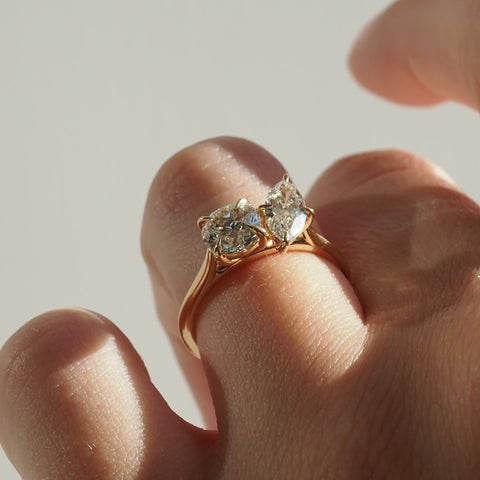
In recent years, lab-grown diamonds have rapidly gained popularity, offering a sustainable and affordable alternative to mined stones. Whether you’re customizing an engagement ring, investing in a timeless gem, or simply drawn to the ethical appeal of these brilliant stones, understanding the market for loose lab diamonds is crucial. If you’re considering the compra diamantes de laboratorio sueltos lab diamonds—that is, purchasing loose laboratory-created diamonds—this guide will walk you through everything you need to know.
What Are Lab-Grown Diamonds?
Lab-grown diamonds, also referred to as synthetic, cultured, or man-made diamonds, are real diamonds created in a controlled environment using advanced technological processes. These stones are chemically, physically, and optically identical to natural diamonds formed deep within the Earth’s mantle over millions of years.
There are two primary methods used to produce lab-grown diamonds:
-
High Pressure High Temperature (HPHT)
-
Chemical Vapor Deposition (CVD)
Both techniques replicate the natural diamond-forming process, yielding high-quality stones that are indistinguishable from their mined counterparts to the naked eye.
Why Buy Loose Lab Diamonds?
Loose diamonds are unmounted stones, meaning they haven’t been set in a piece of jewelry yet. Buying them loose allows for greater flexibility and personalization. Here’s why many buyers prefer this route:
1. Customization
Purchasing a loose lab diamond gives you the freedom to select a setting and style that reflects your personal taste. Whether you’re designing an engagement ring, earrings, or pendant, starting with a loose stone offers more options.
2. Better Value
Lab diamonds typically cost 30–40% less than mined diamonds of similar quality. By buying the stone separately from the setting, you can often find better deals and allocate your budget more efficiently.
3. Transparency in Quality
Loose stones are easier to inspect for quality, including cut, color, clarity, and carat weight—collectively known as the 4Cs. When shopping for compra diamantes de laboratorio sueltos, you have a clearer view of what you’re getting, which makes comparison shopping more effective.
4. Ethical and Environmental Benefits
Lab-created diamonds avoid the environmental degradation and ethical issues often associated with traditional diamond mining. This makes them a more responsible choice for conscious consumers.
What to Consider When Buying Loose Lab Diamonds
Shopping for loose lab-created stones requires a bit of knowledge to make a well-informed decision. Here are key factors to keep in mind:
The 4Cs Still Matter
Even though lab-grown diamonds are often more affordable, the same quality standards apply.
-
Cut: Impacts how well the diamond reflects light; arguably the most important of the 4Cs.
-
Color: Lab diamonds range from D (colorless) to Z (light color). Aim for near-colorless grades (D–H) for optimal sparkle.
-
Clarity: Refers to internal and external imperfections. Lab diamonds often have fewer inclusions than mined ones.
-
Carat Weight: Bigger isn’t always better. Focus on balance between size and brilliance.
Certification Is Crucial
Ensure the diamond comes with a grading report from a reputable gemological lab like IGI (International Gemological Institute) or GIA (Gemological Institute of America). This document validates the diamond’s characteristics and origin.
Verify It’s Lab-Grown
Some vendors sell lab and mined diamonds side by side. Confirm that the diamond you’re purchasing is lab-created, not a natural stone. Reputable sellers will always disclose this clearly.
Where to Buy Loose Lab Diamonds
There are many online and in-store retailers specializing in lab-created diamonds. When shopping, prioritize companies that:
-
Provide detailed product information and high-resolution images or videos
-
Offer certifications from recognized institutions
-
Have clear return and warranty policies
-
Display transparent pricing
Some popular online retailers include Brilliant Earth, Clean Origin, and James Allen, all of which offer interactive tools to view and compare loose lab diamonds.
If you’re searching in Spanish-speaking regions and using terms like “compra diamantes de laboratorio sueltos lab diamonds”, be aware that reputable retailers may translate their product pages or offer regional support to make the buying process more accessible.
Lab-Grown vs. Natural Diamonds: Is There Really a Difference?
One of the most common questions asked by buyers is whether lab-grown diamonds are “real.” The short answer is yes. They possess the same crystal structure, hardness (10 on the Mohs scale), and brilliance as natural diamonds.
The main differences lie in origin and price. Lab-grown diamonds don’t have the geological backstory of natural diamonds, which some traditionalists value. However, for many, the ethical and economic advantages of lab diamonds far outweigh this consideration.
Tips for a Smart Purchase
Here are a few final tips to ensure a smooth and satisfying experience when buying loose lab diamonds:
-
Set a Budget First: Decide how much you’re willing to spend and prioritize the 4Cs accordingly.
-
Educate Yourself: A basic understanding of diamond grading can help you make better decisions.
-
Check Reviews and Reputation: Choose sellers with strong customer feedback and professional credentials.
-
Ask Questions: Don’t hesitate to contact the seller to clarify doubts, whether about certification, origin, or return policy.
Final Thoughts
The market for lab-grown diamonds has matured significantly, and buying loose lab diamonds has never been more accessible. Whether you’re looking for a stunning stone for a custom ring or a timeless investment, lab-created options offer both beauty and peace of mind.
The demand for compra diamantes de laboratorio sueltos lab diamonds continues to grow as more consumers recognize their value, sustainability, and brilliance. By focusing on quality, certification, and transparency, you can make a confident and ethical purchase that sparkles for years to come.
Ultimately, choosing a lab-grown diamond is about more than just price—it’s a reflection of values, aesthetics, and innovation in modern jewelry.


